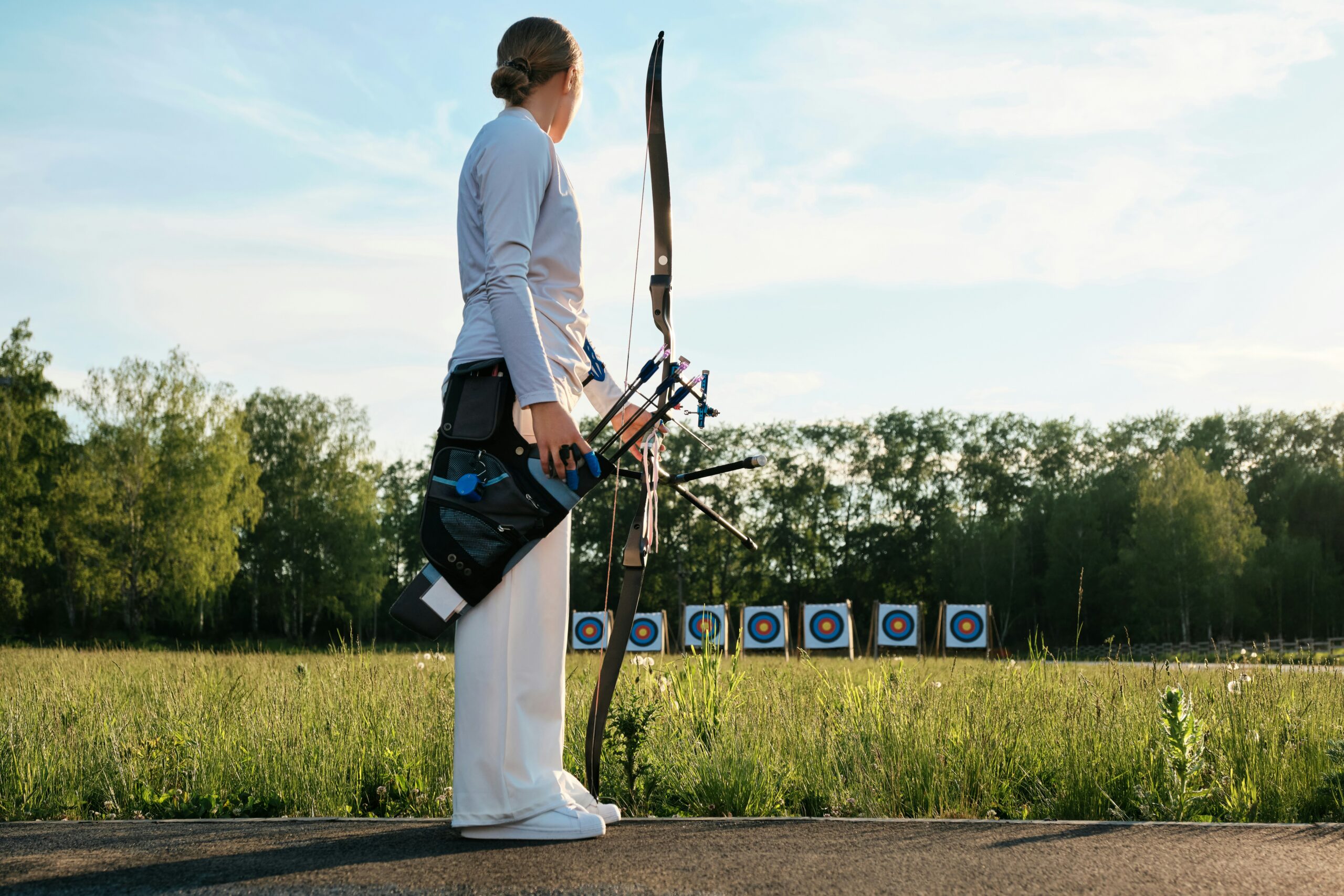
Sport shooting has changed dramatically over time, yet its core spirit remains rooted in discipline, focus, and measured control. As the sport has expanded across generations, athletes, innovators, and coaches have reshaped how shooters train and compete. Today, sport shooting blends tradition with modern tools while helping competitors sharpen both mental and physical performance. This evolution reflects how precision, technology, and skill continue to work together to push the sport forward.
The Historical Roots of Modern Sport Shooting
Early sport shooting began as a test of survival skills, yet it quickly grew into a respected athletic pursuit. Long before digital tools existed, people relied on simple yet effective techniques that required steady hands and calm minds. Communities formed clubs, and these early groups helped set standards for safe and fair competition. As interest grew, people also wrote guidelines and organized local matches that would influence events seen today.
Over time, sport shooting transitioned from basic contests into formal competitions held across regions. As the sport matured, governing bodies established rules that recognized accuracy, timing, and consistency as core elements of performance. These foundations shaped international contests that continue to draw audiences and inspire athletes. Because tradition matters, many shooters still respect the early methods while embracing the innovations that help them grow.
Technology Transforming Modern Sport Shooting
New technology has changed how shooters train, measure progress, and compete. Advanced firearms and sights offer improved reliability and greater accuracy. Yet the most notable improvements come from digital tools that allow athletes to study patterns and correct errors with ease. Innovations such as laser training systems, smart targets, and motion-analysis apps offer real-time insights that make practice more efficient and enjoyable.
Because of these upgrades, competitive shooters can refine their skills faster than previous generations. Data-driven training helps athletes adjust posture, trigger control, and breathing to achieve consistent performance. Even though technology supports growth, shooters still need focus, discipline, and patience to apply the lessons they learn. In this way, technology enhances sport shooting rather than replacing the skill it requires.
The Role of Precision in Athletic Development
Precision has always guided the sport shooting community, and it remains a key measure of an athlete’s ability. When shooters approach a target, they test more than mechanical skill. They must also control breath, balance, and emotion, even under pressure. Because precision demands mental strength, many athletes practice mindfulness to maintain focus in every situation. This approach helps them stay calm, build confidence, and improve steadily.
As shooters improve their precision, they often discover that small adjustments can make meaningful improvements. Training routines highlight the relationship between physical technique and mental clarity, thereby strengthening overall performance. When athletes gain confidence in their precision, they approach competitions with ease and purpose. Sport shooting continues to honor this balance between body and mind, which keeps it both challenging and rewarding.
Advancements in Training Techniques and Tools
Modern training methods give athletes new ways to prepare for competition. Coaches now use video analysis to study movement patterns and guide shooters through targeted corrections. These methods encourage deliberate practice, and they help shooters avoid repeating mistakes that may limit growth. Virtual ranges and simulation systems add another layer of convenience by allowing athletes to train regardless of outdoor conditions.
As training evolves, shooters gain access to structured programs that build skill step by step. Coaches also focus on mental conditioning to help athletes stay steady during intense moments. These well-rounded approaches address both the physical and psychological demands of the sport. Because training tools continue to improve, athletes can expect even more opportunities to strengthen performance while enjoying a smoother learning experience.
Sport Shooting as a Test of Character and Discipline
Sport shooting teaches dedication, patience, and self-control. These traits emerge because athletes learn to face challenges with focus instead of hesitation. During competitions, shooters rely on their ability to stay composed while making split-second decisions. These experiences build character and encourage people to appreciate the value of steady progress.
Athletes often say that sport shooting helps them grow outside the range as well. Skills such as concentration, responsibility, and respect for rules transfer into daily life. Many participants feel that the sport shapes them into thoughtful and disciplined individuals. Because these qualities matter, sport shooting continues to attract people who appreciate both personal development and athletic challenge.
Competitive Growth and Global Recognition
As sport shooting gained popularity, it earned a prominent place in international competitions. Global championships highlight the talent and dedication of athletes who train for years to reach elite levels. Because these events celebrate performance from every region of the world, they help unify communities around a shared passion for skill and precision.
The sport also continues to grow through youth programs that provide safe, structured instruction. These programs help young athletes discover their strengths, build confidence, and pursue competitive goals. As participation increases, sport shooting gains greater visibility and respect. The steady rise in global competition proves that the sport remains vibrant, inclusive, and full of opportunity.
The Future of Sport Shooting: Innovation and Responsibility
Looking ahead, sport shooting will likely blend tradition with new technology even more deeply. Developers continue exploring improved safety systems, advanced training software, and environmentally friendly materials. These innovations will support a future in which athletes train more efficiently while protecting the sport’s long-held values.
Responsibility also shapes the future of sport shooting. Athletes, coaches, and organizations consistently work to promote safety, respect, and ethical participation. Because these principles matter, future generations will inherit a sport that remains honorable and accessible. As it evolves, sport shooting will continue to inspire athletes who value precision, technology, and skill.