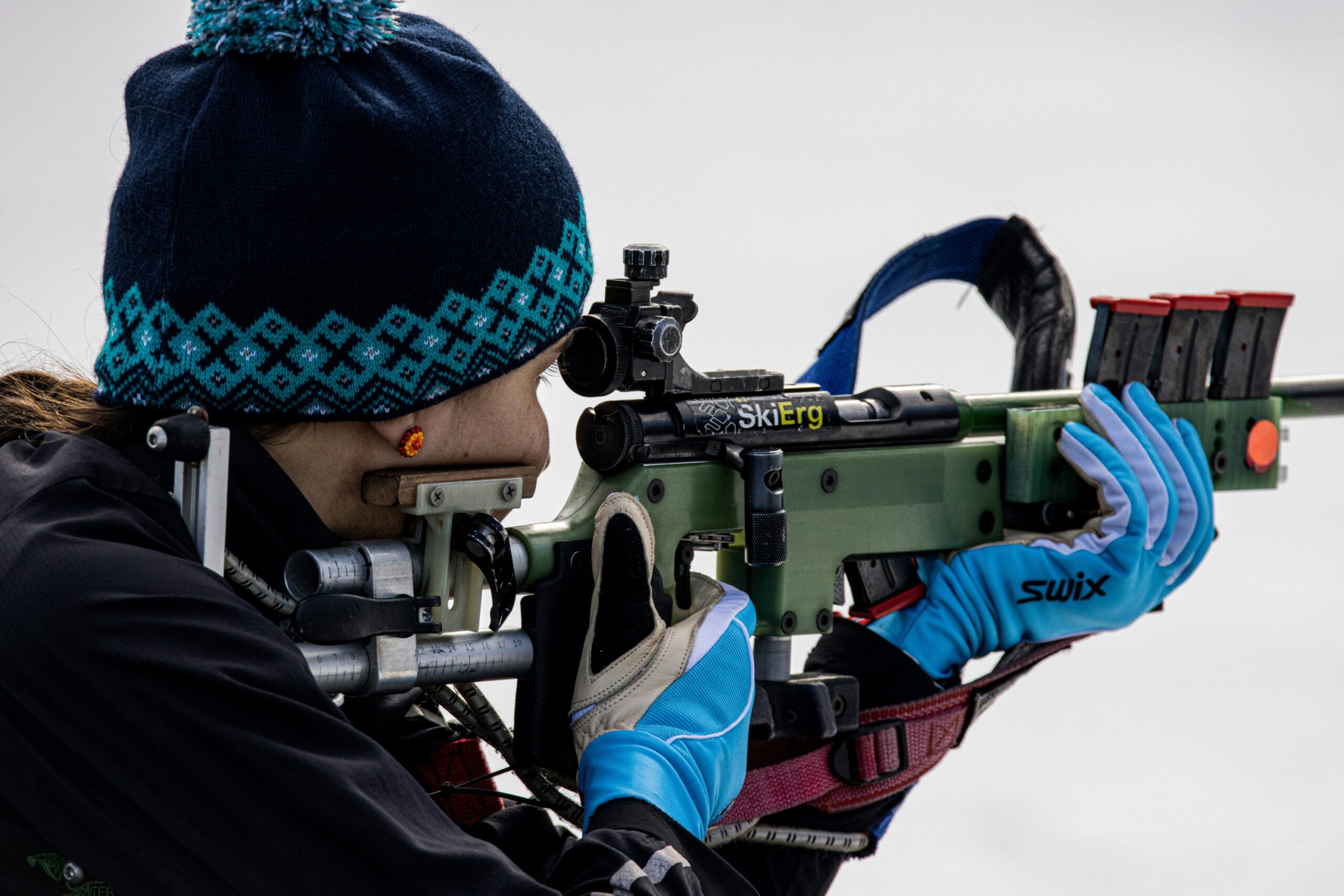
Sport shooting technology is rapidly changing how shooters train, compete, and improve accuracy, and it continues to shape the future of firearms in ways that were once hard to imagine. As innovation drives progress, modern tools now offer greater precision, enhanced safety, and smarter data analysis, helping both beginners and experienced shooters refine their skills. Moreover, advancements in materials, optics, and digital integration have created a more efficient and accessible shooting experience. Because of this steady evolution, sport shooting technology has become a central focus for enthusiasts who want to stay competitive while also embracing safer and more responsible practices.
Smart Optics and Advanced Targeting Systems
Modern optics has become one of the most impactful aspects of sport shooting technology. Today, shooters rely on smart scopes and red dot sights that provide clearer visuals and faster target acquisition. In addition, many advanced optics now include rangefinding and ballistic calculators, allowing shooters to adjust their aim with greater confidence. As a result, accuracy improves significantly, even at longer distances, because users can make precise real-time adjustments.
Furthermore, advances in digital optics have introduced features such as heads-up displays and wireless connectivity. These tools help shooters track performance data and analyze shot placement in real time. As a result, athletes can make quick corrections during training sessions. At the same time, beginners benefit from guided feedback, which makes the learning curve less steep and more engaging.
Precision Engineering and Modern Firearm Design
Firearm design has evolved alongside sport shooting technology, leading to more reliable and accurate equipment. Manufacturers now use advanced materials like carbon fiber and aerospace-grade alloys to reduce weight while maintaining strength. Consequently, shooters experience less fatigue and greater control, both of which directly impact performance. In addition, improved barrel designs and tighter tolerances help deliver consistent shot placement.
Equally important, modular firearm systems allow users to customize their equipment to fit their needs. Shooters can easily adjust grips, stocks, and trigger systems, creating a more personalized experience. As a result, individuals can fine-tune their setup for comfort and efficiency. This flexibility not only boosts performance but also encourages innovation within the sport.
The Role of Artificial Intelligence in Training
Artificial intelligence is becoming a key part of sports shooting technology, especially in training environments. AI-powered systems analyze shooting patterns and provide detailed feedback on accuracy, timing, and technique. Because of this, shooters can identify weaknesses and improve faster than ever before. Additionally, these systems often use machine learning to adapt to each user, which creates a more tailored training experience.
Moreover, virtual coaching platforms now offer real-time suggestions during practice sessions. These tools simulate expert guidance, helping shooters refine their skills without a physical instructor. As a result, training becomes more accessible and cost-effective. Over time, AI-driven insights continue to enhance performance, making them an essential part of modern sport shooting.
Digital Shooting Ranges and Simulation Technology
Digital ranges have transformed how people practice sport shooting technology in controlled environments. Instead of relying solely on traditional setups, shooters can now use simulation systems that replicate real-world scenarios. These systems provide instant feedback, helping users better understand their performance. In addition, they allow for safe practice without the need for live ammunition.
Simulation technology also supports a wide range of training scenarios, from basic target practice to complex competition environments. Because of this flexibility, shooters can develop skills that translate directly to real-world conditions. Furthermore, these systems reduce costs over time by eliminating the need for constant ammunition purchases. As a result, they have become a popular choice for both individuals and training facilities.
Data Analytics and Performance Tracking
Data has become a powerful tool in sports shooting, helping shooters understand their performance in detail. Modern systems track metrics such as shot placement, reaction time, and consistency. As a result, users can identify trends and make informed decisions about their training. In addition, many platforms offer visual reports, which make it easier to interpret complex data.
At the same time, wearable devices and connected apps have expanded the scope of performance tracking. These tools monitor physical factors, such as heart rate and stability, that influence shooting accuracy. As a result, shooters gain a more complete understanding of their performance. Over time, this data-driven approach leads to more efficient training and better results.
Enhanced Safety Features and Smart Controls
Safety remains a top priority in sport shooting technology, and recent advancements have made firearms safer than ever. Smart safety systems now include biometric locks and digital authentication, which prevent unauthorized use. Because of this, firearm owners can feel more secure while maintaining quick access when needed. In addition, automatic safety mechanisms reduce the risk of accidental discharge.
Moreover, integrated sensors and alerts help users maintain proper handling practices. These features provide real-time feedback, which encourages safer behavior during training and competition. As a result, sport shooting becomes more responsible and accessible to a wider audience. Over time, these innovations continue to build trust and confidence within the community.
The Impact of Connectivity and Mobile Integration
Connectivity has become a defining feature of sport shooting technology, linking firearms and accessories to mobile devices. Many modern systems connect to apps that track performance, store data, and provide insights. As a result, shooters can review their progress at any time and make adjustments as needed. In addition, cloud-based platforms allow users to share results and learn from others.
Furthermore, mobile integration supports remote updates and customization. Shooters can adjust settings, update firmware, and access new features without needing specialized equipment. As a result, technology remains up to date and adaptable. This level of convenience enhances the overall shooting experience and encourages continuous improvement.
Future Trends Shaping Sport Shooting Technology
The future of sport shooting technology looks promising, with ongoing innovations set to redefine the sport even further. Emerging technologies such as augmented reality aim to create immersive training environments that blend digital and physical elements. As a result, shooters can practice in highly realistic scenarios without leaving controlled settings. In addition, advancements in battery life and energy efficiency will support more powerful and reliable devices.
At the same time, sustainability is becoming an important focus in the industry. Manufacturers are exploring eco-friendly materials and production methods to reduce environmental impact. As a result, sports shooting technology continues to evolve in a responsible direction. Looking ahead, these trends will likely shape a more advanced, accessible, and sustainable future for the sport.